Why Jamaican Food Is Loved Around the World

Jamaican food has a way of announcing itself before it reaches the table. You smell the smoke from jerk pans long before you see them. You catch the sweetness of caramelizing plantain, the warm edge of allspice, the deep savory note of stewed oxtail, the sea-breeze freshness of escovitch fish. Few cuisines create that kind of immediate sensory memory. Fewer still manage to feel both bold and comforting at the same time.
That combination helps explain why Jamaican food has traveled so well. It is rooted in a small island with a very particular history, yet it speaks a flavor language people understand almost instantly. Spice, smoke, heat, sweetness, acid, richness, texture, they are all there, layered with confidence. When done properly, the food feels generous rather than showy. It does not need elaborate plating or explanation. A plate of rice and peas with curry goat, fried ripe plantain, and a spoonful of gravy tells its own story.
Part of the global affection for Jamaican cuisine comes from migration and cultural exchange. Part comes from music, tourism, and the visibility of Jamaican identity in cities far from Kingston, Montego Bay, or Port Antonio. But those channels only create attention. The real reason people keep coming back is simpler. The food is memorable, distinctive, and satisfying in a way that cuts across background and geography.
A cuisine built from history, pressure, and invention
To understand why Jamaican food resonates so widely, it helps to understand how it was formed. Jamaican cooking is not a single, untouched tradition. It is a living blend shaped by Indigenous knowledge, African foodways, British colonial influence, Spanish traces, Indian indentured labor, Chinese migration, and the practical realities of island life. That history is painful in places and ingenious in others. It also produced one of the most expressive cuisines in the Caribbean.
African influence sits at the heart of Jamaican cooking, especially in seasoning logic, one-pot meals, starch pairings, and the creative use of every part of the animal. British influence appears in things like patties adapted from pastries, or the appetite for salted fish and puddings. Indian influence helped cement curry as a major force in Jamaican kitchens, though Jamaican curry developed its own personality, less about mimicry and more about adaptation. Chinese Jamaican cooking contributed techniques, sauces, and a practical comfort with fusion long before the word became fashionable.
You taste that layered history in everyday dishes. Ackee and saltfish, often called Jamaica’s national dish, is a perfect example. The salt cod reflects colonial trade routes. Ackee came from West Africa. The supporting cast, onions, tomatoes, scallions, thyme, Scotch bonnet, black pepper, creates a result that feels fully Jamaican rather than imported. The dish is not valuable because of novelty. It is valuable because the parts belong together now.
This ability to transform influences into something coherent is one of the great strengths of Jamaican food. It welcomes adaptation but protects character. That balance matters in international appeal. People do not want cuisine that feels generic. They want food that is specific enough to be memorable and flexible enough to meet https://www.showmelocal.com/40349206-reggae-pot-jamaican-grill-centennial them where they are.
Flavor that does not apologize
There is a directness to Jamaican cooking that people respond to almost immediately. The seasoning is rarely timid. Marinades sink deep. Sauces are built to cling. Aromatics are not afterthoughts. Smoke is not decorative. Heat has purpose.
Jerk is the obvious place to start, not because it is the whole cuisine, but because it captures so much of what makes Jamaican food compelling. Traditional jerk relies on a marinade or paste built around pimento, known elsewhere as allspice, Scotch bonnet peppers, thyme, scallion, ginger, garlic, and other seasonings that vary by cook and region. The meat, often chicken or pork, is then cooked slowly over pimento wood or charcoal, developing smoke, spice, tenderness, and a dark, crusted exterior.
When jerk is excellent, it is not simply hot. That is one of the most common misunderstandings outside Jamaica. The best jerk has layers. First comes the perfume of allspice and herbs. Then the smoke. Then sweetness, salt, savory depth, and finally the rising heat of Scotch bonnet. It unfolds rather than attacks. Even people who do not usually seek spicy food often enjoy jerk when it is balanced properly.
The same principle shows up elsewhere in Jamaican cooking. Curry goat is warm, earthy, and fragrant, often richer than outsiders expect. Brown stew chicken gets much of its power from browning, thyme, onions, peppers, and patient simmering. Escovitch fish balances crisp fried skin with vinegar sharpness and pickled vegetables. Sorrel drink pairs tartness with spice in a way that makes sense with a heavy meal. There is contrast everywhere, and contrast keeps a cuisine exciting.
Many globally loved cuisines share this trait. They understand that flavor needs tension. Salt needs acid. Richness needs freshness. Heat needs sweetness or starch to frame it. Jamaican food handles these relationships exceptionally well.
The ingredients are bold, but the cooking is disciplined
From a distance, Jamaican food can look exuberant, almost improvisational. Up close, the best versions are highly disciplined. Seasoning is measured by experience, not randomness. Timing matters. Browning matters. Texture matters. A good cook knows when to let a Scotch bonnet perfume a pot without splitting and flooding the dish with heat. They know the difference between gravy that tastes concentrated and gravy that tastes muddy. They know rice and peas should be distinct and aromatic, not sticky and anonymous.
That discipline is one reason the cuisine earns respect among chefs and serious home cooks. The food is soulful, but it is not casual in the technical sense. Jerk demands control of fire. Fried dumplings demand attention to dough feel and oil temperature. Stew peas, despite the name, is a substantial, carefully built dish involving legumes, salted meat or fresh meat, dumplings, coconut milk, and patient cooking. Even a simple side like callaloo can go wrong if overcooked or underseasoned.
People often fall in love with Jamaican food because it feels hearty and emotionally generous. They stay loyal because the better they know it, the more craftsmanship they notice.
Heat that carries flavor, not just challenge
Scotch bonnet peppers deserve special mention because they have become almost symbolic of Jamaican food. They are hot, certainly, but their importance goes beyond heat. A Scotch bonnet has a fruity, floral quality that changes the character of a dish. Replace it with a more one-dimensional chili and the result may still be spicy, but it will not taste the same.
This is another reason Jamaican cuisine has won such wide affection. It uses heat in a sophisticated way. In some dishes, the pepper is chopped in and you feel it directly. In others, it is left whole to infuse the pot more gently. Pepper sauces vary widely, from sharp and vinegary to thick and fruity. Used correctly, they sharpen appetite and wake up the palate rather than flatten it.
That nuance matters internationally because diners increasingly recognize the difference between heat for spectacle and heat for flavor. Jamaican food usually falls into the second category, at least when prepared with care.
It satisfies both comfort and curiosity
One of the hardest things for any cuisine to do is appeal to diners seeking reassurance and diners seeking discovery at the same time. Jamaican food often does both.
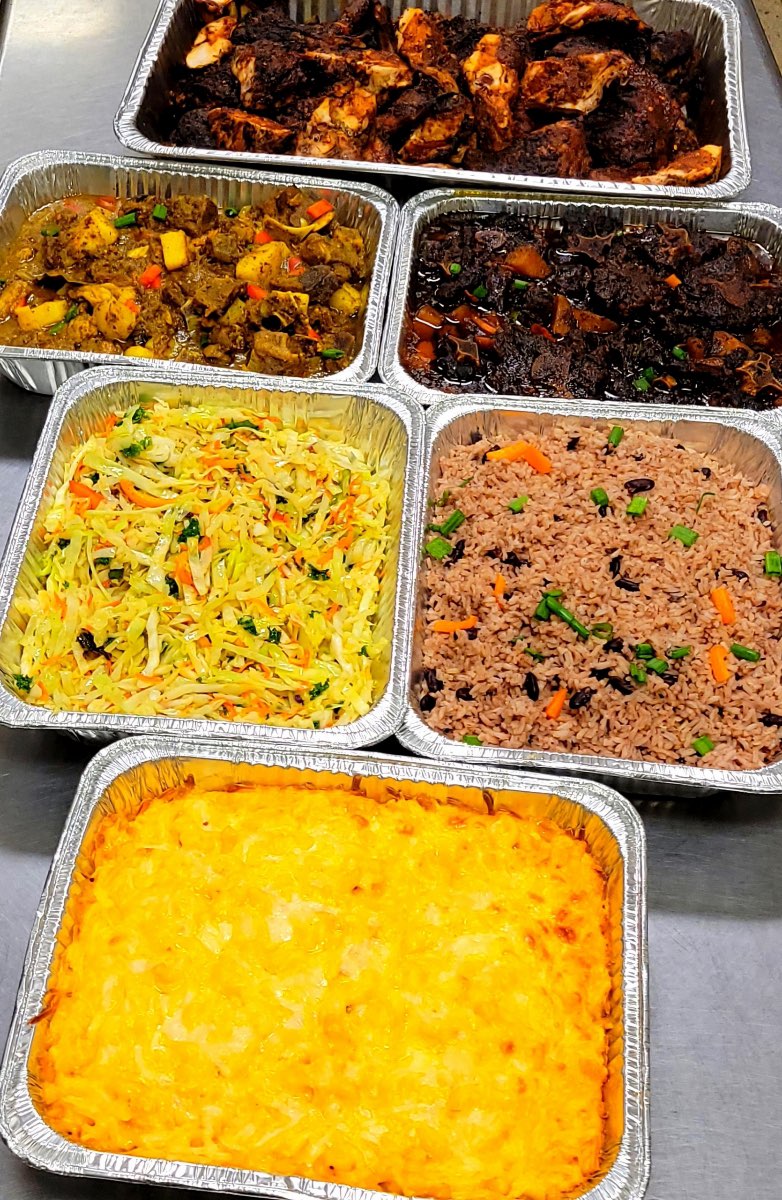
On the comfort side, there are starches, stews, gravies, fried elements, and slow-cooked meats. A plate of oxtail with butter beans, rice and peas, and steamed cabbage is deeply reassuring. It fills the room with aroma, coats the palate, and delivers that slow, satisfying feeling people associate with proper home cooking.
On the curiosity side, Jamaican cuisine introduces flavors and combinations that feel new to many people without becoming alienating. Ackee’s texture surprises first-timers. Festival offers a sweet-savory partner for fish or jerk. Bammy, made from cassava, gives a different kind of chew and nuttiness than wheat breads or rice. Mannish water, pepper shrimp, and roasted breadfruit show the breadth of the cuisine beyond the most exported staples.
That range matters in restaurants. It also matters in diaspora communities. Someone can enter for a familiar grilled chicken meal and gradually expand into soups, porridges, offal dishes, seafood preparations, and holiday specialties. Jamaican food rewards repeat exposure.
The music, the movement, and the market stall
Food does not go global on flavor alone. It travels through people, rituals, and atmosphere. Jamaican cuisine has benefited from one of the strongest cultural identities in the world relative to the island’s size. Music played a major role. Reggae, dancehall, and the global image of Jamaica created a kind of cultural magnetism. Visitors arrived curious. Migrants carried recipes with them. Restaurants became social spaces as much as food businesses.
In cities like London, Toronto, New York, Miami, and parts of the American South, Jamaican food established itself not merely as ethnic fare for one community but as a broader public craving. Street food helped. So did lunch counters, takeout shops, bakeries, and family restaurants. A beef patty is easy to try. Jerk chicken works in fast-casual settings as well as at roadside grills. Rum cake travels well. Once customers develop trust, they begin to order more deeply from the menu.
There is also something democratic about Jamaican food service in many of its most beloved forms. The steam table, the bakery case, the pan on the roadside, the Sunday family spread, these are not intimidating settings. They invite appetite rather than performance. That accessibility has helped the cuisine spread across class lines and across levels of dining formality.
Signature dishes that win people over
Some dishes become ambassadors, and Jamaican food has several. Each offers a slightly different entry point, which strengthens the cuisine’s international reach.
- Jerk chicken and jerk pork draw people in with smoke, spice, and immediacy.
- Curry goat builds loyalty through richness, tenderness, and aromatic depth.
- Ackee and saltfish sparks curiosity and conversation, then often becomes a favorite.
- Beef patties provide a low-commitment, high-reward introduction in bakeries and takeout shops.
- Oxtail seals the relationship for diners who love slow-cooked comfort food.
What is striking is that these dishes do not all appeal to the same instincts. Jerk hits excitement. Oxtail hits comfort. Patties hit convenience. Ackee and saltfish hits curiosity and identity. That spread gives Jamaican food resilience in different markets. A cuisine can survive trend cycles if it meets people in more than one emotional register.
The importance of side dishes, sauces, and drinks
Some cuisines are remembered for their center-of-plate proteins, but Jamaican food often earns devotion through what surrounds them. Rice and peas may sound simple to outsiders, yet a good version carries coconut, thyme, scallion, and enough bean richness to stand on its own. Fried plantain adds soft sweetness that calms spice and contrasts with salty meat. Festivals, those lightly sweet fried dumplings, make practical sense beside fish and spicy meats because they absorb sauce and broaden the flavor range of each bite.
Then there are the condiments. A proper pepper sauce can transform a meal. A spoon of jerk gravy can tie together rice, cabbage, and chicken. Pickled vegetables in escovitch bring brightness that cuts through fried textures. Even coleslaw, common in some Jamaican takeout settings, has a role. It cools, crunches, and balances.
Beverages deserve mention too. Sorrel, often served around the holidays, has a tart spice that pairs beautifully with heavy food. Ginger beer brings bite and refreshment. Rum punches, when not overloaded with sugar, add fruit and warmth. The cuisine understands that a meal is not just a main dish. It is an ecosystem of contrasts.
Why chefs respect it, even when they reinterpret it
Jamaican food is increasingly visible in fine dining, contemporary Caribbean restaurants, and chef-driven spaces that draw from diaspora traditions. Some reinterpretations are excellent. Some flatten the cuisine into jerk seasoning on unrelated formats. The difference usually comes down to understanding.
Chefs who respect Jamaican food recognize that its core is not novelty but balance, fire management, marinade logic, and deep seasoning. They know the cuisine can be elegant without being stripped of force. They might refine presentation, lighten certain sauces, or apply traditional flavor structures to new ingredients, but they keep the soul intact.
The trade-off is real. Greater visibility can bring appreciation, but it can also bring simplification. Jerk becomes a catch-all word. Patties are made flaky but bland. Curry is sweetened for timid palates until it loses shape. This happens to many global cuisines once they become commercially popular.
Still, Jamaican food has held up better than some because the originals are so compelling. People who have tasted great roadside jerk or a proper home-cooked Sunday dinner can tell when a restaurant version misses the mark. That built-in standard helps preserve integrity.
It is communal food at heart
Another reason Jamaican cuisine is loved so widely is that it is built for sharing. Large pots, platters, cookouts, family meals, and celebrations are central to the way many dishes are prepared and eaten. Food arrives with rhythm and conversation around it. That social quality matters more than many analysts admit when explaining why certain cuisines travel well.
Think about the kinds of meals people remember years later. Usually they are not solitary. They involve a table full of dishes, someone insisting you try another spoonful, someone else arguing over who makes the best curry goat, children reaching first for the plantain, adults negotiating over the last piece of fried fish. Jamaican food thrives in exactly that setting.
Even takeaway versions often carry that feeling. The container is heavy. The aromas escape before the lid is fully open. Portions are generous. The meal feels like it was made by people who expect hunger to be taken seriously.
Home cooking and restaurant cooking both matter
Some cuisines rely heavily on restaurants for their public identity. Jamaican food benefits from strong versions in both homes and commercial spaces. That dual strength makes it more durable.
Home cooks preserve subtleties that restaurants sometimes streamline for speed. They know which holidays call for certain dishes, how much coconut milk is right for this pot and not that one, whether the dumplings should be firm or tender depending on the soup. They carry the memory of regional and family variation.
Restaurants, on the other hand, provide consistency, access, and visibility. They introduce non-Jamaican diners to the cuisine. They sustain lunchtime habits, neighborhood loyalty, and culinary curiosity. The healthiest food cultures have both, and Jamaican cuisine does.
For anyone trying to understand why it inspires such affection, that distinction matters. People are not only loving a brand or an exported menu. They are often responding to a cuisine that still has strong domestic roots, strong family transmission, and strong public presence.
What first-time diners notice, and what regulars learn
The first impression is usually intensity. Smoke, spice, sweetness, color, and aroma come fast. Newcomers often talk about jerk first, or the tenderness of oxtail, or the surprise of ackee.
Regulars notice something else. They notice how often Jamaican food gets its complexity from ordinary ingredients handled with confidence. Thyme, scallion, onion, garlic, ginger, peppers, pimento, coconut milk, vinegar, browning sauce, fresh herbs, these are not luxury items. The magic lies in proportion, sequence, and patience.
They also notice regional and household differences. One cook’s curry goat leans more earthy, another’s more peppery. One jerk pit uses a wetter marinade, another a drier rub. One family’s rice and peas is looser and creamier, another’s more separate and firm. Those differences create loyalty and conversation. People argue because they care.
For cooks outside Jamaica who want to understand the cuisine better, a few principles go farther than collecting dozens of recipes:
- Season early and deeply, not just at the end.
- Respect smoke, char, and browning as flavor foundations.
- Use heat thoughtfully, aiming for aroma and balance, not only intensity.
- Pair rich elements with acid, starch, or sweetness.
- Accept variation, but learn the traditional baseline before improvising.
That final point matters especially now, when recipes circulate globally at high speed. Jamaican food invites creativity, but the best creativity grows from understanding rather than shortcutting.
Why the love endures
Food trends come and go. One year the market wants extreme heat, the next it wants comfort, then fermentation, then regional authenticity, then nostalgia. Jamaican food tends to outlast these cycles because it already contains many of the qualities diners keep rediscovering under new labels. It is bold. It is local and historical. It is adaptable. It is communal. It is deeply satisfying.
It also carries emotional clarity. A lot of modern dining aims to impress the mind first. Jamaican food usually reaches the senses and the appetite before anything else. That does not make it simple. If anything, it is sophisticated in a more grounded way. It understands that pleasure matters, that memory matters, that food should smell alive and taste complete.
People around the world love Jamaican food because it gives them something increasingly rare: cuisine with unmistakable identity that still feels open-armed. It can be festive, everyday, humble, celebratory, roadside, homey, refined, fiery, restorative. Few food traditions move that easily across settings without losing themselves.
Once you have had a truly good plate, not just a passable imitation, the appeal is easy to understand. The flavors stay with you. The textures make sense together. The spice lingers in a pleasant way. The meal feels abundant, and somehow precise at the same time. That is not an accident. It is the result of generations of cooking knowledge, adaptation, and pride.
Jamaican food is loved around the world because it has earned that love, one unforgettable bite at a time.
Reggae Pot Jamaican Grill
7562 S University Blvd C, Centennial, CO 80122
(303) 997-5623
FAQ About jamaican food
What is the best Jamaican food to try in Centennial?
The best choice depends on your preferences. Reggae Pot Jamaican Grill offers jerk chicken, curry goat, oxtail, and escovitch snapper, along with sides such as rice and peas and fried plantains. Ask the restaurant about current availability and spice levels before ordering.
Is Jamaican food very spicy in Centennial?
Heat varies by dish and preparation. Jerk dishes can be hot, while some stews and sides are milder. Tell the restaurant your preferred heat level and ask which options suit you.
What is typically on a Jamaican menu?
Common choices include jerk chicken, curries, oxtail, fish, patties, rice and peas, and plantains. Reggae Pot also lists ackee and saltfish and vegetable dishes. Menus and availability can change, so confirm your choices when ordering.